


The Bible at the Metropolitan Museum, with Assyria closed until 2027
One guided tour at €98.40, and a route you can walk alone, from the scarabs of a Hyksos king to the silver David Plates. Nine of its fourteen galleries were open on 29 September 2026.
There is exactly one tour in this category, and it is better to say so at the start. Biblical Israel through the Exhibits at the Met Museum is a two-hour guided walk for €98.40 with admission included, rated 4.9 across 22 reviews. Among the three booking platforms we checked, it is the only product that reads the Met through the Bible and clears this site's review threshold.
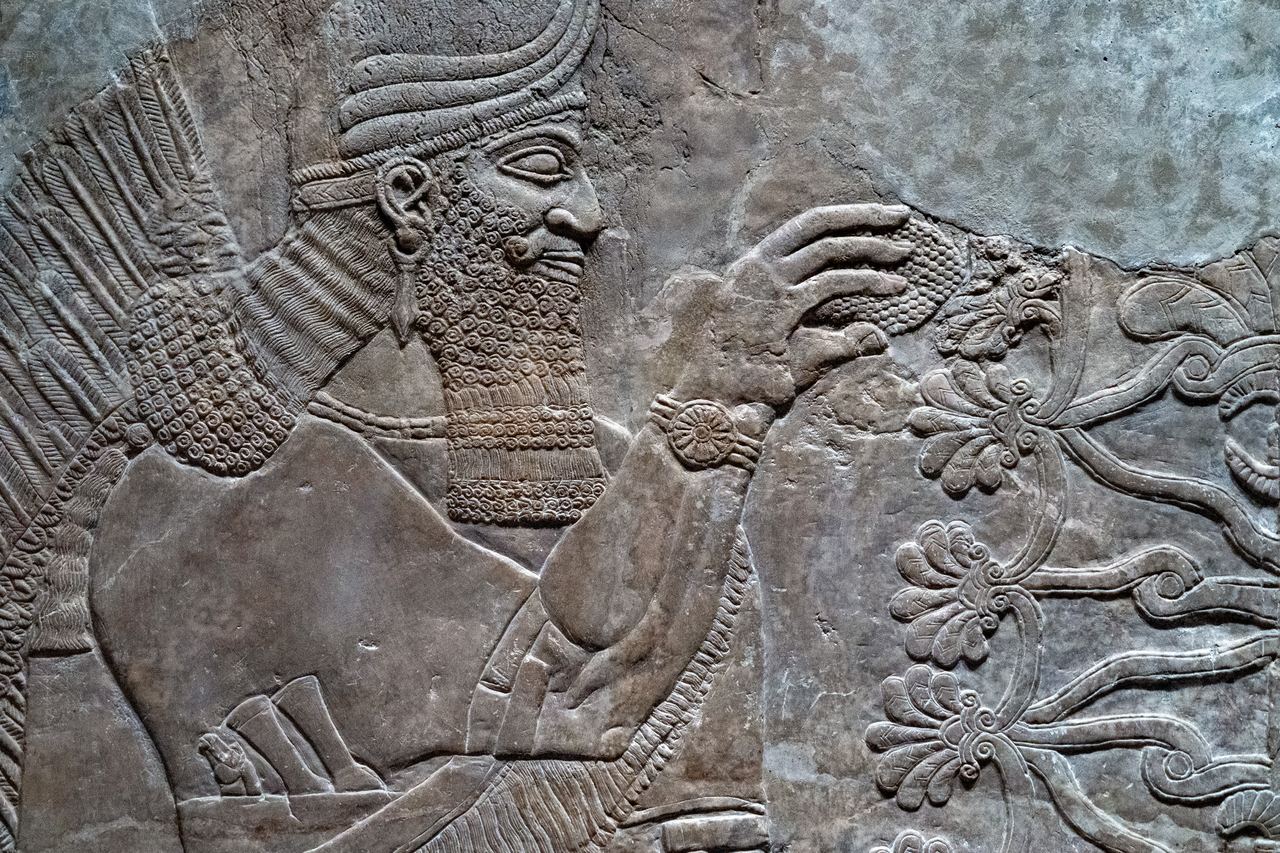
The bigger news is what you cannot see. The museum's galleries for ancient West Asia, where the Assyrian palace reliefs and the winged lamassu stood, closed for renovation and are due to reopen in 2027. A temporary selection on the Great Hall Balcony filled the gap for two years and ended on 8 July 2026. So a biblical visit in 2026 has to be built from Egypt, Rome and Byzantium, which is less than it was, but more than most people expect.
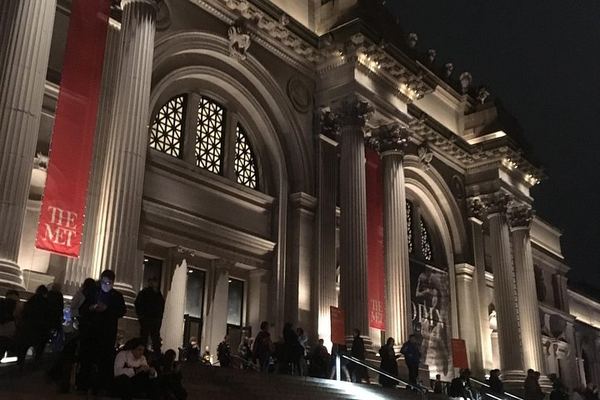
Read the tour's own listing with that in mind. It promises the tombs of ancient Egypt, stories of Genesis and Exodus, David and Solomon in Byzantine and medieval art, and artifacts of Jerusalem's Temple in Roman Judea; its itinerary line mentions the exhibits of the Ancient Near East. The Egyptian and Byzantine parts are there to be seen. The Near Eastern galleries are closed, and we could not find any object from the Jerusalem Temple in the museum's collection database. Before you book, ask the operator which galleries the route uses this month. It is English only and meets inside the main entrance, by the pharaoh statue on the right.
This page is written for anyone who wants to read the collection alongside the biblical texts, whatever their reason: faith, study or curiosity. It takes no confessional line. The objects, dates and gallery numbers come from the museum's own catalogue; the links to the Bible are ours, and we say so where they are interpretation rather than evidence. If you are bringing your own group with your own leader, the museum requires third-party guided tours of any size to register in advance, and the guide needs a museum lecture badge.
Ratings collected by Viator and Tripadvisor
What is closed until 2027, and why it matters here
Before the renovation, the natural first stop for a biblical visit was the Assyrian court, with its winged guardians from the palace of Ashurnasirpal II at Nimrud. That room is gallery 401, and it has been closed since the museum shut the whole ancient West Asian wing, galleries 400 to 406, for a rebuild. The museum announced the project on 22 May 2025:
New galleries for the Art of Ancient West Asia and the Art of Ancient Cyprus will open in 2027, after an extensive renovation.
It is a $40 million, 15,000-square-foot project designed by the architects NADAAA. The department has changed its name too: what used to be Ancient Near Eastern Art is now the Department of Ancient West Asian Art, with about 7,000 works. No opening date more precise than 2027 has been published.
The loss for this subject is specific. Gallery 406, The Interconnected World of the Ancient Near East, is described by the museum in terms that name the Bible directly. A search of the museum's collection database for the department's objects on view returns 23 records, and none of them comes from the Assyrian palaces: they are seals, bells, a few statuettes and some Victorian jewellery in an Assyrian revival style, shown elsewhere in the building.
Exploring topics such as deities, medicine and magic, money and weights, the biblical world.
Off view
The objects a Bible tour used to start with
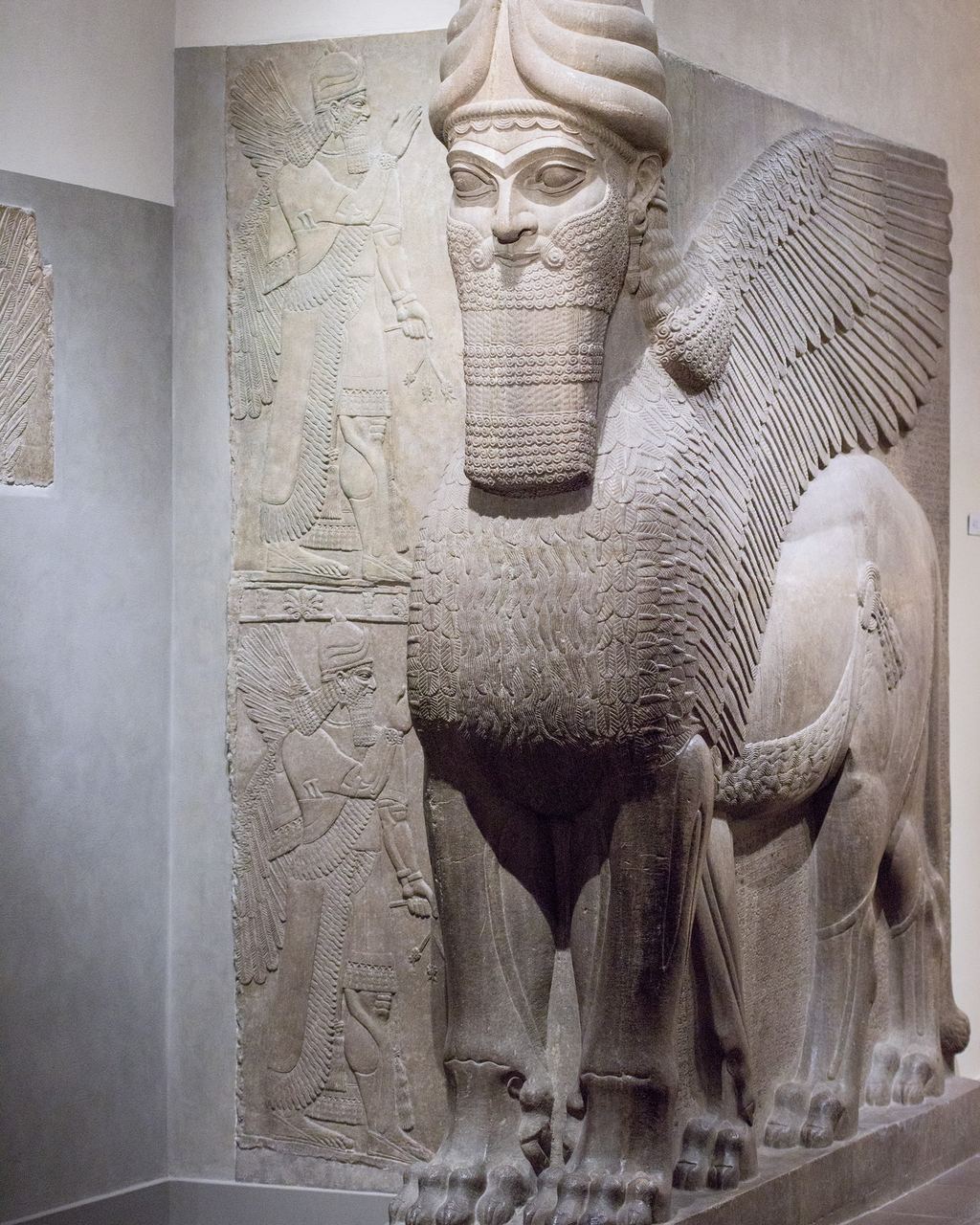
The photograph shows a lamassu, the human-headed winged lion that guarded Assyrian palace doorways. The Met owns a pair from Nimrud, a lion and a bull made around 883 to 859 BCE. Neither has a gallery number in the museum's database today.
Neither do the objects that link Mesopotamia most directly to biblical history. The cylinder of Sennacherib describes, in the museum's title, his third campaign, the one historians usually connect with his invasion of Hezekiah's Judah told in 2 Kings 18 and 19. The cylinder of Nebuchadnezzar II belongs to the king who took Jerusalem. The Atra-hasis tablet tells a Babylonian flood story, one of the Mesopotamian parallels to Genesis. And two glazed-brick lions from the Processional Way at Babylon are not on view either.
The lions are sometimes called the lions of the Ishtar Gate. The museum places them on the Processional Way, the avenue that led to the gate.
| Object | Accession | Date | Biblical connection |
|---|---|---|---|
| Human-headed winged lion and bull (lamassu), Nimrud | 32.143.2, 32.143.1 | ca. 883–859 BCE | The Assyrian empire of the Books of Kings |
| Cylinder of Sennacherib on his third campaign | 86.11.197 | ca. 704–681 BCE | The invasion of Judah in 2 Kings 18–19 |
| Cylinder with an inscription of Nebuchadnezzar II | 86.11.58 | ca. 604–562 BCE | The king of the Babylonian exile |
| Tablet of Atra-hasis, a Babylonian flood myth | 86.11.378a | ca. 7th–6th century BCE | A flood story set beside Genesis 6–9 |
| Two panels with striding lions, Processional Way, Babylon | 31.13.1, 31.13.2 | ca. 604–562 BCE | Babylon in the time of the exile |
A self-guided route through what is open
You do not need a tour to follow this subject. Using the museum's own gallery list, we built a route of fourteen rooms that hold objects with a biblical connection. On 29 September 2026 nine were open and five were flagged closed, some of them probably for a day or two. The route runs in historical order: Egypt first, then the Roman galleries, then the Byzantine rooms.
A word on the right-hand column. The connections are ours, not the museum's, and most are context rather than evidence. No object on this route depicts a figure from Genesis or Exodus, and a guide who tells you an Egyptian relief shows Joseph is telling a story.
| Gallery | What to look for | Date | Why it belongs on the route | 29 Sep 2026 |
|---|---|---|---|---|
| 105 | Models from the tomb of Meketre: boats, granaries, bakers | ca. 1981–1975 BCE | The Egypt of granaries and river boats that Genesis describes | Open |
| 111 | Scarabs naming the Hyksos kings Khayan, Sheshi and Apophis | ca. 1700–1541 BCE | The gallery text itself mentions kings of northern Egypt bearing Semitic names | Open |
| 118 | Burials of the foreign wives of Thutmose III | 15th century BCE | The museum notes the women had Semitic names | Closed |
| 122 | Tile fragments naming Ramesses II | ca. 1290–1224 BCE | The pharaoh most often, and most disputedly, linked with the Exodus | Open |
| 123 | Doorjamb from a temple of Ramesses II | ca. 1290–1224 BCE | As above | Closed |
| 124 | Figure of an Asiatic captive; monumental head of a foreigner | ca. 1300–1080 BCE | How Egypt pictured the peoples to its north-east | Closed |
| 127 | Bound Asiatic captive | 664–525 BCE | The same theme, seven centuries later | Open |
| 130 | Relief with Asiatic captives | 525–404 BCE | Egypt under Persian rule, the empire of Ezra and Nehemiah | Open |
| 131 | The Temple of Dendur | built by 10 BCE | Built under Augustus, the emperor of Luke 2 | Closed |
| 137 | Faience head of Augustus | early Roman period | The same emperor, in Egyptian faience | Open |
| 162 | Marble bust of the emperor Gaius, known as Caligula | 37–41 CE | Rome in the decade after the crucifixion | Open |
| 166 | Marble portrait of Augustus; sardonyx cameo of Augustus | 1st century CE | Luke 2:1, the decree of Caesar Augustus | Closed |
| 300 | The Antioch "Chalice"; Judaic objects in the same room | 500–550 CE | Once taken by some to be the cup of the Last Supper | Open |
| 301 | The silver David Plates | 629–630 CE | 1 Samuel 16–17: David anointed, armed, fighting a lion and Goliath | Open |
If you have an hour, do galleries 105, 111 and 122 in Egypt, then the Roman court, gallery 162, and finish in the Byzantine rooms, 300 and 301. If you have two, add the study rooms, 127 and 130, where objects are packed in cases as if in a storeroom and the captive figures are easy to miss.
The David Plates are the strongest single stop. Byzantine silver made in 629 and 630, they show scenes from the life of David, including David slaying a lion, the battle with Goliath, David anointed by Samuel and the arming of David. No tour listing we read names them. They are in the Mary and Michael Jaharis Galleries, which also hold the Antioch "Chalice".
Biblical time and the objects that survive from it
Dates from the museum's catalogue. The last three entries are the museum's own calendar for the closed galleries.
The origins
ca. 1981–1975 BCE
The tomb of Meketre
Models of Egyptian daily life, on view in gallery 105.
ca. 1620–1581 BCE
A Hyksos king in Egypt
Scarabs of Khayan, one of the foreign rulers of the Nile Delta, in gallery 111.
ca. 1290–1224 BCE
Ramesses II
Tiles bearing his names, in gallery 122.
The growth
ca. 883–859 BCE
The lamassu of Nimrud
Guardians of an Assyrian palace. Off view until 2027.
ca. 704–681 BCE
Sennacherib
His cylinder on the third campaign. Off view.
ca. 604–562 BCE
Nebuchadnezzar's Babylon
The lion panels and his inscribed cylinder. Off view.
37–41 CE
Caligula
Marble bust in the Roman court, gallery 162.
500–550 CE
The Antioch "Chalice"
Early Christian silver-gilt vessel, gallery 300.
629–630 CE
The David Plates
Byzantine silver with the life of David, gallery 301.
Today
July 2024
A display on the balcony
A selection of the West Asian collection moves to the Great Hall Balcony.
8 July 2026
The balcony display ends
Nothing from the Assyrian palaces remains on view.
2027
The new galleries
The rebuilt galleries for ancient West Asia and Cyprus are scheduled to open.

Egypt carries the route
What a Bible tour can honestly promise in 2026
With West Asia closed, the Egyptian wing does most of the work, and it does it well as long as nobody oversells it. What the rooms show is the country the Hebrew Bible keeps returning to: its kings, its granaries, its foreign rulers and captives. What they do not show is Joseph, Moses or the Exodus. Pages online that describe an Egyptian relief of Joseph are making an identification the museum itself does not make.
Rome is thinner than it looks. On our route Augustus, the emperor of the census in Luke 2, appears only as a faience head in gallery 137, because the room with his marble portrait is closed. Caligula is there. Nothing from Roman Judea is on the route.
The Byzantine rooms are the reward. The David Plates tell a biblical story on purpose, which nothing earlier on the route does.
Bible tours and the ancient world at the Metropolitan Museum
Are the Assyrian lamassu on view at the Met?
No. The ancient West Asian galleries, 400 to 406, are closed for renovation and the lamassu have no gallery number. The museum says the new galleries will open in 2027, without a more precise date.
Is there a Bible tour of the Metropolitan Museum?
Yes, one on this site: a two-hour guided walk for €98.40 with admission, rated 4.9 by 22 reviewers, in English. Other Bible tours of the Met are run by religious organisations and non-profits outside the platforms we list.
Can I follow a biblical route on my own?
Yes. Use the route table on this page and check the museum's list of closed galleries the day before. With a standard ticket it takes one to two hours.
Does the Met have objects from the Temple in Jerusalem?
We could not find any in the museum's collection database, and none is on our route. If a tour promises them, ask the operator which objects and which gallery.
Where does the Bible tour meet?
Inside the main entrance on Fifth Avenue, by the pharaoh statue on your right. Allow time for the security check before the start.
Tours that spend time in the Egyptian galleries
Egypt carries most of a biblical visit today. These tours pass through it; check the day's closures before booking.
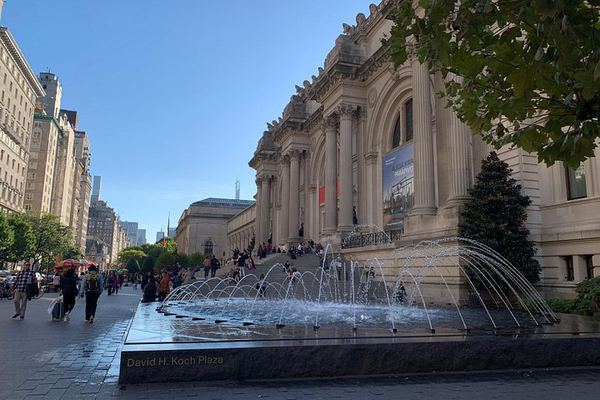
Met Museum Highlights and New York Stories Guided Tour
Egyptian tombs, Roman frescoes, Henry VIII's armor and the Impressionists, tied to New York's own story. 2.5 hours, fees included; the Met shuts Wednesdays.
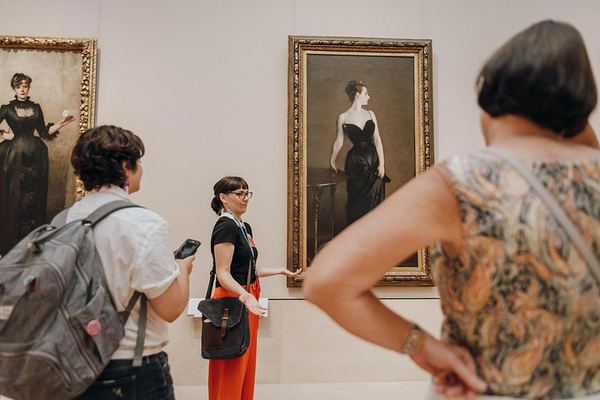
Met Museum Highlights in Two Hours with an Expert Guide
An art guide leads up to 18 people past Monet's Water Lilies, Madame X, Rodin and the Tomb of Perneb in two hours, admission included. You stay on afterwards.
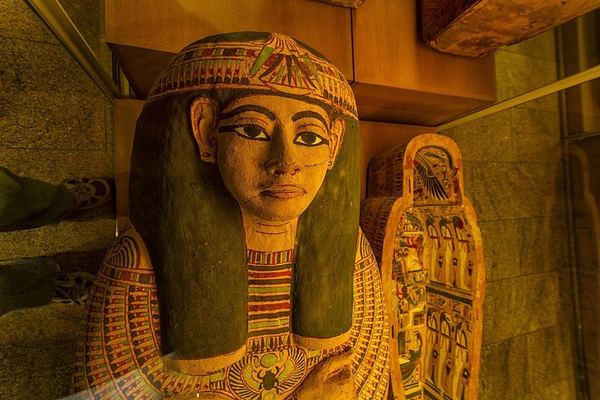
Met Museum Highlights Tour by City Wonders, Entry Ticket Included
City Wonders guides up to 20 people through the Met in two hours, entry ticket included: the Egyptian and American wings, Velazquez, Rembrandt and Van Gogh.
Ratings collected by Viator and Tripadvisor
Walking the route on your own?
Ticket prices, who pays what they wish, and what a same-day ticket covers.
Data verified on. Objects, dates and galleries from the museum's collection database and gallery list; closure dates from its May 2025 announcement.