



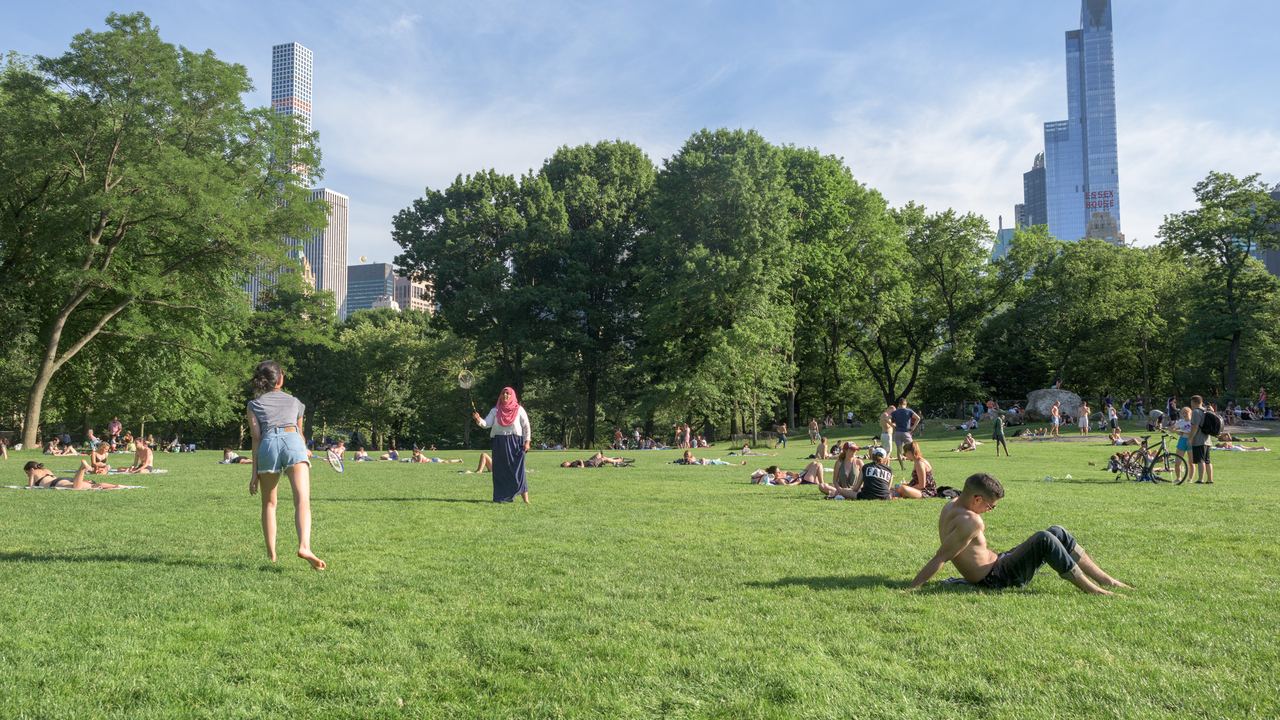
One day is enough for the Metropolitan Museum and the part of Central Park behind it. Two days let you add a guided park morning and a walk along the Gilded Age mansions of Fifth Avenue. A third day brings in the Met Cloisters, the medieval branch at the top of Manhattan, and a second big museum. The plans below are built on a few hard facts: the Met is closed every Wednesday, it stays open to 9 pm on Fridays and Saturdays, one ticket covers both Met sites on the same day, and two big museums in one day is one too many for almost everyone.
Each plan is a table you can follow as it stands or cut down. Times assume the museum's hours as of September 2026; walking distances are ours, measured along streets and park paths at an easy pace of about 20 minutes a mile. We name no restaurants: they open, close and change hands faster than a travel page can follow.
What rules should every plan around the Met follow?
Before the tables, the reasoning behind them. You can break any of these, but know what it costs.
- One big museum per day. The Met Fifth Avenue covers over two million square feet. After three or four hours inside, most people stop looking and start walking. Pair it with a park, a street walk or a small museum, never with MoMA or the Natural History Museum on the same day.
- Wednesday is not a Met day. Both sites close. Put the Met on any other day and keep Wednesday for another museum or for the park.
- Cloisters first, Fifth Avenue second. The Cloisters close at 5 pm (4:30 pm from November to February) and never open late; Fifth Avenue stays open to 9 pm on Fridays and Saturdays. One ticket covers both, as long as it is the same date.
- Weather decides the order. Park in the morning in summer, before the heat; museum in the morning in winter, park while the light lasts. In December the sun sets around 4:30 pm.
- Distances are longer than the map suggests. Twenty numbered streets make about a mile, and Central Park is half a mile wide, so the Natural History Museum "just across the park" is a 20-minute walk.
Never plan the Met for a Wednesday, and never plan it on the same day as MoMA or the Natural History Museum. Everything else is negotiable.
How far is everything from the Met on foot?
| From the Met to | Distance | On foot | Good to know |
|---|---|---|---|
| Cleopatra's Needle (obelisk) | About 0.2 mi | 5 min | Directly behind the museum, in the park |
| Belvedere Castle and Turtle Pond | About 0.4 mi | 10 min | Mid-park at 79th Street |
| Conservatory Water (model boats) | About 0.5 mi | 10 min | On the East Side of the park, near 74th Street |
| Bethesda Terrace and Bow Bridge | About 0.7 mi | 15 min | Center of the classic park walk (72nd St) |
| Frick Collection, 70th Street | About 0.6 mi | 12-15 min | Straight down Fifth Avenue |
| Guggenheim Museum, 1071 Fifth Avenue (88th-89th St) | About 0.4 mi | About 10 min | About seven blocks north on Fifth |
| American Museum of Natural History | About 0.8 mi | 20 min | Across the park, on Central Park West |
| Conservatory Garden, 105th Street | About 1.2 mi | 25 min | The park's formal garden, north along Fifth |
| Grand Army Plaza, 59th Street | About 1.2 mi | 25 min | Where most park tours start |
| MoMA, 53rd Street | About 1.5 mi | 30-35 min | Or the 6 train from 86 St to 51 St, then 10 minutes west |
| Grand Central or Times Square | About 2-2.3 mi | 40-45 min | Most people ride the subway |
One day: the Met and the park behind it
If you have one day, spend the best hours of it inside. The Met opens at 10 am; being there at opening is the only timing advice we would call reliable, since the museum publishes no crowd data. Choose a route before you go (our two-hour, half-day and full-day routes are made for this) and stop when your eyes stop working, not when the map runs out.
Galleries close at short notice. On September 29, 2026, the museum's website listed among the closed rooms five Egyptian galleries (116-120), a Roman gallery (168) and the Ancient Near East galleries (400-406), while the Temple of Dendur (gallery 131) had just reopened. Look at the museum's gallery closures page the evening before and adjust your route.
| Time | What | Where | Why |
|---|---|---|---|
| 9:45 am | Arrive, pass the security check | Main steps, Fifth Avenue at 82nd St (or step-free at 81st St) | Security is the only queue the museum warns about; doors open at 10 |
| 10 am-1 pm | The Met: one route, three hours | Great Hall first, then the areas you chose | Morning is when you look hardest; see the rooms you came for first |
| 1-2 pm | Lunch break outside the museum | Madison Avenue or a bench in the park | A real break before the second half |
| 2-2:30 pm | Cleopatra's Needle, Turtle Pond, Belvedere Castle | Behind the museum, mid-park at 79th St (0.4 mi) | The closest part of the park, ten minutes on foot |
| 2:30-4 pm | The Ramble, Bow Bridge, Bethesda Terrace, the Mall | South through the park (about 1 mi) | The classic central walk, mostly on paths |
| 4-4:30 pm | Out at Grand Army Plaza | Fifth Avenue at 59th St | Subway N, R, W at 5 Av-59 St, or keep walking into Midtown |
The obelisk behind the museum is the only monumental ancient Egyptian obelisk in the United States, and it has nothing to do with Cleopatra: according to the Met and the Central Park Conservancy, it was one of a pair made for Pharaoh Thutmose III (the Conservancy dates it to around 1425 BCE), some 1,400 years before her. The Romans moved it to Alexandria, to a temple Cleopatra had begun, which is probably how her name stuck. Belvedere Castle was completed in 1872, and the Central Park weather readings that New York's climate figures come from are still taken in a fenced enclosure just south of it, according to the Conservancy. Both are on your way south.
If the weather is poor, reverse the proportions: stay at the Met until 3 or 4 pm with a long lunch in the middle, and give the park half an hour at the end. On a Friday or Saturday you can also split the day: park in the morning, museum from mid-afternoon until 9 pm (see the Friday plan below).
Two days: a Central Park morning and a Fifth Avenue walk
Day two has no big museum on purpose. It covers the two things that frame the Met from the outside: the park the building sits in, and the avenue of mansions that faces it. Both are walks of about two hours, and both can be done with a guide or on your own.
One detail from our catalog of guided park walks changes the plan: about two in three of them start at the park's southern edge, between 58th and 60th Streets, more than a mile south of the museum, and many finish on the west side near Strawberry Fields. So the natural day runs from south to north: start with the park walk, then walk up Fifth Avenue toward the Met through the mansion district.
| Time | What | Where | Why |
|---|---|---|---|
| 9:30-11:30 am | Guided or self-guided Central Park walk | Start around 59th St, finish mid-park or on the West Side | The park is at its quietest and coolest in the morning |
| 11:30 am-12:30 pm | Walk back east and up to 60th St and Fifth Avenue | Grand Army Plaza | The start of the Fifth Avenue mansion stretch |
| 12:30-1:30 pm | Lunch | Madison or Lexington Avenue in the 60s | Side streets off the avenue are calmer |
| 1:30-3:30 pm | Gilded Age walk up Fifth Avenue, 60th to 82nd St | Past the Frick at 70th St and 972 Fifth Avenue (78th-79th St) | The stretch once called Millionaires' Row; about 1.1 mi |
| 3:30-5 pm | Optional: the Frick Collection, or the Met's period rooms | 70th St, or the American Wing | A small museum fits here; a big one would not. The Frick is closed on Tuesdays |
On this walk you see how quickly New York replaced its own landmarks. Most of the private palaces that lined the avenue around 1900 were replaced by apartment buildings within a few decades; the survivors are now clubs, consulates, schools and museums. Two you pass on this route: the house of Henry Clay Frick at 70th Street, built in 1913-14 and today the Frick Collection, which reopened in April 2025 after its renovation, and the Payne Whitney House at 972 Fifth Avenue, built between 1902 and 1906, where the ground floor is the Albertine bookshop, a project of the French embassy's cultural services, open to anyone from Tuesday to Saturday (September 2026). The Frick keeps its own calendar: in September 2026 it closed on Tuesdays and opened on Wednesdays, the opposite of the Met.
If you would rather see a Gilded Age interior than facades, the Met has one: the dressing room from the Worsham-Rockefeller house at 4 West 54th Street, fitted out in 1881-82, is installed in gallery 742 of the American Wing. It is the most direct link between the walk outside and the museum. Skip the famous Sullivan staircase in gallery 701 if that is your theme: it comes from the Chicago Stock Exchange, not from New York.
Guided walks in Central Park
Most of them last about two hours and start near 59th Street.
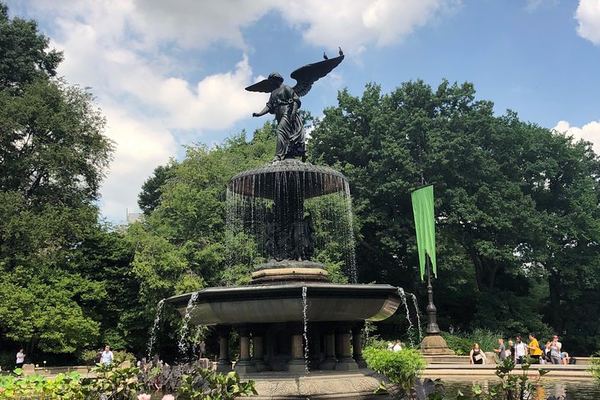
Central Park and Upper East Side Morning Walk with a Native New Yorker
A native New Yorker leads a 2-3 hour morning walk from Grand Army Plaza to Bethesda Terrace, Belvedere Castle and the townhouses of the Upper East Side.
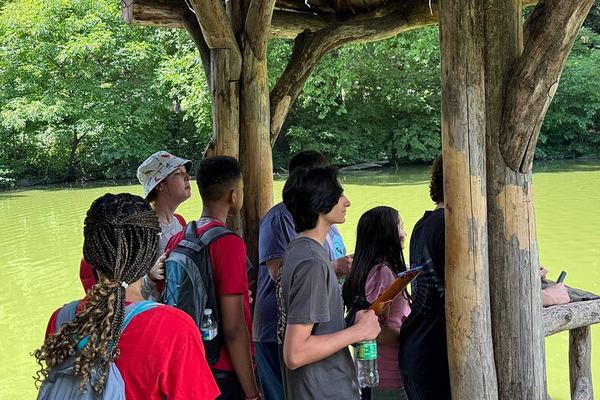
Central Park Birdwatching Walk for Beginners with That Quirky Bird Girl
Steph of That Quirky Bird Girl teaches beginners to spot cardinals, jays and thrushes in the Ramble and to ID songs with the Merlin app. Binoculars on request.
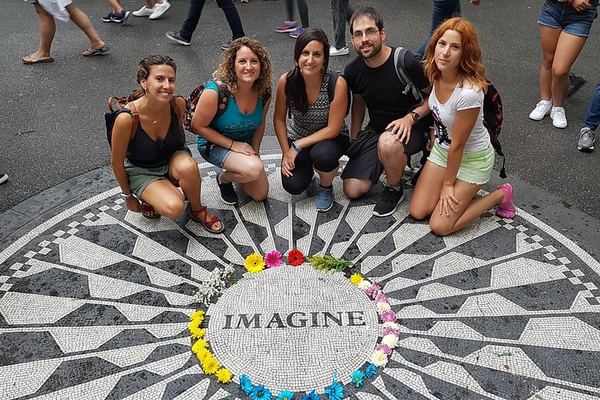
Central Park Film and TV Locations Walking Tour
Actor guides from On Location Tours hold up film stills at more than 30 Central Park locations, from Bow Bridge to Wollman Rink. Two hours, English commentary.
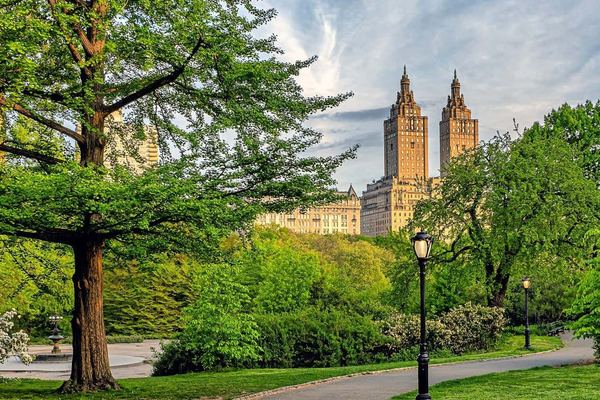
Central Park Free Walking Tour: Bethesda Terrace to Strawberry Fields
Tip-based walk in English from the Maine Monument: Balto, the Mall, Bethesda Terrace, Bow Bridge, the Ramble and Belvedere Castle. No groups over six people.
Ratings collected by Viator, Tripadvisor and Civitatis
Fifth Avenue and Gilded Age walks
Street walks past the mansions; a few start or end at the Met's own steps.
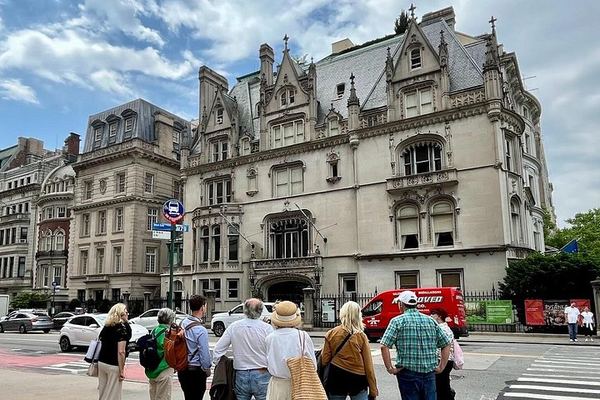
Bowery Boys Walking Tour: Gilded Age Mansions of Fifth Avenue, 70th to 91st Street
A Bowery Boys guide walks a mile of Fifth Avenue from the Frick to the Carnegie mansion, telling the stories behind each facade. Exteriors only, small bookings.
Central Park and Upper East Side Morning Walk with a Native New Yorker
A native New Yorker leads a 2-3 hour morning walk from Grand Army Plaza to Bethesda Terrace, Belvedere Castle and the townhouses of the Upper East Side.
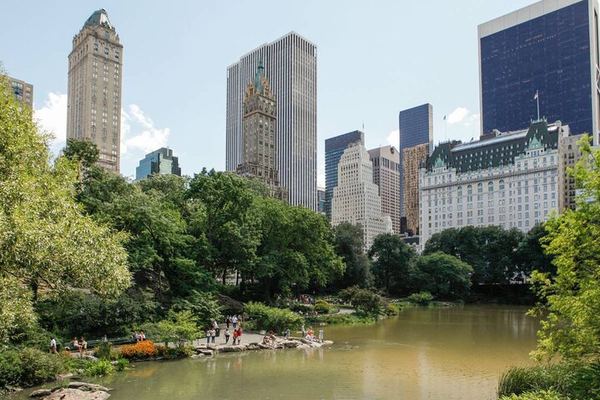
Central Park to Grand Central: 3-Hour Walking Tour via Fifth Avenue
A licensed guide walks you from Strawberry Fields and Bethesda Fountain down Fifth Avenue to Rockefeller Center and the Grand Central concourse in three hours.
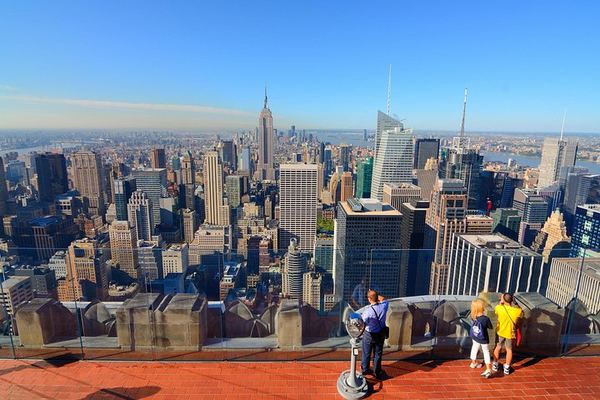
Fifth Avenue Mansions Walking Tour with Top of the Rock Tickets and Optional Beam
City Wonders guide from Grand Army Plaza past Tiffany's and the Ed Sullivan Theater, ending on the Top of the Rock decks. The Beam photo is an optional add-on.
Ratings collected by Viator and Tripadvisor
A third day: add the Cloisters
The third day goes north. The Met Cloisters, opened in 1938, is a museum of medieval Europe built from parts of monasteries and chapels, set on a hill in Fort Tryon Park above the Hudson. The park itself, 67 acres laid out by Frederick Law Olmsted Jr., is half the reason to go. Plan the Cloisters for the morning and decide the afternoon by your energy.
One practical trick saves an admission: your ticket covers both Met sites on the same date. If one day at the Met Fifth Avenue felt too short, buy the ticket for your Cloisters day and go back to Fifth Avenue in the afternoon for a second, shorter visit. The Cloisters are small enough that this does not break the one-big-museum rule.
| Time | What | Where | Why |
|---|---|---|---|
| 9:30 am | A train north from Midtown | 59 St-Columbus Circle to 190 St, exit by elevator | Arrive for the 10 am opening |
| 10 am-12:30 pm | The Cloisters: galleries and gardens | 99 Margaret Corbin Drive, Fort Tryon Park | Two to two and a half hours is enough for most visitors |
| 12:30-1:30 pm | Fort Tryon Park and the Heather Garden | South along the park paths towards 190 St | Views over the Hudson and the Palisades |
| 1:30-2:30 pm | Back downtown, lunch on the way | A train south with a change for the East Side (about an hour to the Met), or the M4 bus down Broadway and Fifth Avenue | The M4 needs no changes but takes about 1 h 25 min, per the museum |
| 2:30-5 pm | Second visit to the Met Fifth Avenue, same ticket | Fifth Avenue at 82nd St | Or a smaller museum, or nothing at all |
The Heather Garden, which you pass on the way back to the station, is a set of terraces cut into the ridge below a 600-foot promenade lined with elms; it opened with the park in 1935, according to NYC Parks. Inside the museum, three of the cloisters are planted as gardens based on medieval sources; the Met's own garden notes put their peak in late spring and early summer. In winter the Cloisters close at 4:30 pm and the park paths get dark early, which is one more reason to go in the morning. Everything else you need for this day, from the galleries to the step-free route, is in our Cloisters guide and our getting-there page.
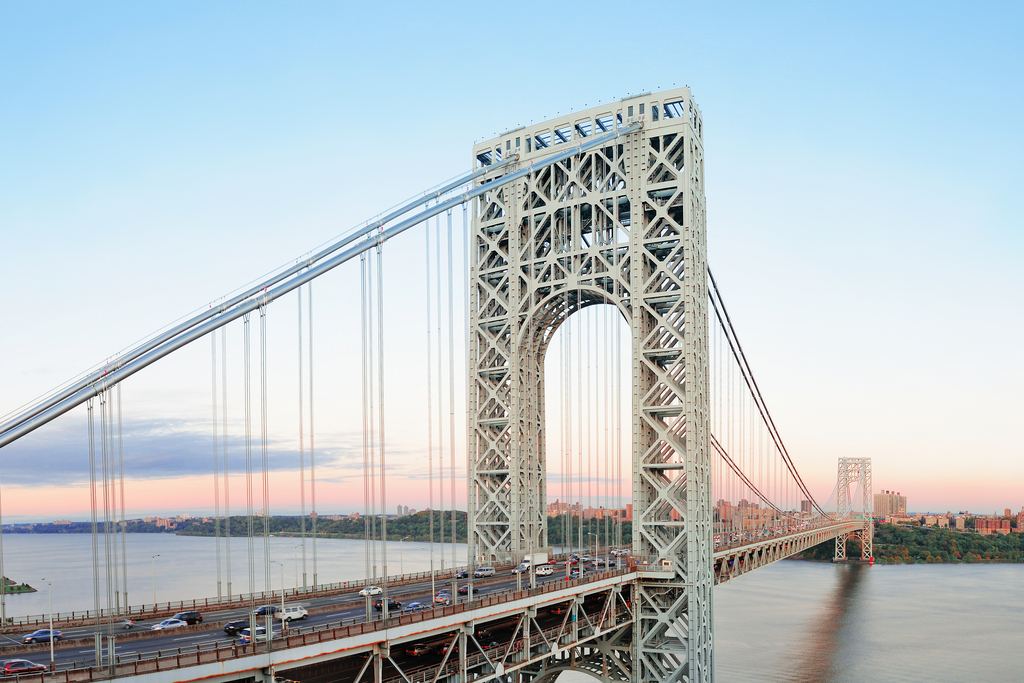
Day three
The Cloisters in the morning, Fifth Avenue in the afternoon
The ticket is valid at both sites on the date printed on it. Go north first because the Cloisters close earlier and never open late, then come back down to the main building with whatever energy you have left.
What can you do on a Wednesday, when the Met is closed?
Both Met sites close every Wednesday, and so do the museum's cafés. The two other big museums nearby stay open. As of September 2026, MoMA (moma.org) and the American Museum of Natural History (amnh.org) both list themselves as open daily. Pick one of them, not both, and fill the rest of the day outdoors.
| Time | What | Where | Why |
|---|---|---|---|
| 9:30-11:30 am | Central Park walk, south to north | From 59th St up to Bethesda Terrace and Belvedere Castle | The park is open every day; the Met's closure does not affect it |
| 11:30 am-12:30 pm | Lunch | Upper West Side or the 50s, depending on your museum | Stay close to the afternoon |
| 12:30-4:30 pm | Option A: MoMA | 53rd Street between Fifth and Sixth Avenues | Modern art, the natural complement to the Met's older collections |
| 12:30-4:30 pm | Option B: American Museum of Natural History | Central Park West at 79th St, across the park from the Met | The other giant, and the best choice with children |
| 5-6:30 pm | Fifth Avenue mansions walk, or Museum Mile from outside | Fifth Avenue between 70th and 92nd Streets | See the Met's facade and its neighbors without going in |

If you would rather keep to Fifth Avenue, two smaller museums also opened on Wednesdays in September 2026. The Frick Collection at 70th Street closes on Tuesdays instead, and its Wednesday afternoons, 1:30 to 5:30 pm, are pay-what-you-wish ($5 or more if you book online; any amount at the door, while space lasts). The Guggenheim, about seven blocks north of the Met, opens every day from 10:30 am to 5:30 pm. Hours like these change, so check the museum's own site the day before. Through our list of New York museums and galleries you can book admission to several of them, MoMA and the Natural History Museum included; none of those tickets includes the Met.
Other New York museums for a Wednesday
Tickets and visits for museums that stay open when the Met is closed.
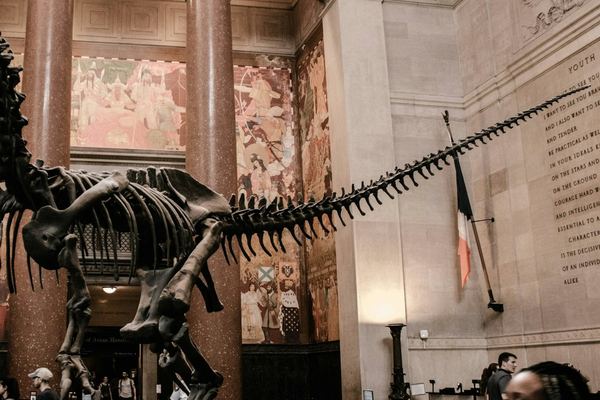
American Museum of Natural History General Admission Ticket
General admission to the Natural History Museum on Central Park West: over 40 permanent halls, the Rose Center for Earth and Space and the Gilder Center.
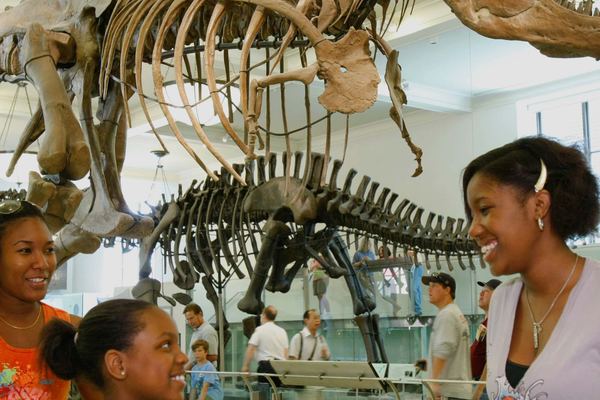
American Museum of Natural History Tickets with Special Exhibition Options
Choose basic entry or add the planetarium space show, the Butterfly Vivarium and other ticketed exhibitions. See the T. rex and the 94-foot blue whale.
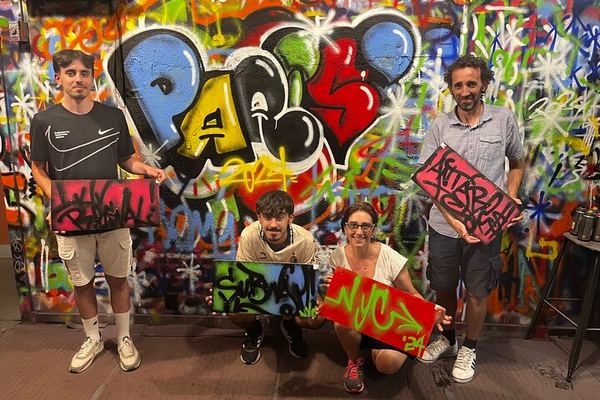
Brooklyn Graffiti Workshop: Paint Your Own Piece in Bushwick
A New York graffiti artist teaches aerosol technique in a Bushwick studio, then you paint your own piece to take home. One hour, all ages, no experience needed.
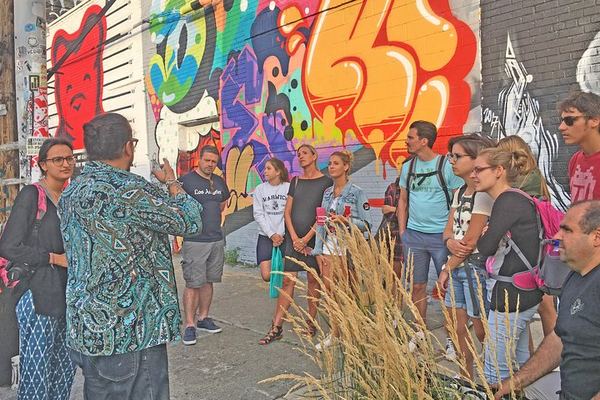
Bushwick Graffiti and Street Art Walking Tour in Brooklyn
A two-hour walk with a local Brooklyn Unplugged guide through Bushwick's painted streets and the Bushwick Collective murals, starting on Wyckoff Avenue.
Ratings collected by Tiqets, Civitatis, Viator and Tripadvisor
What is the best plan for a rainy day?
A wet day is the obvious day for the Met, which is exactly why many other visitors will pick it too. Central Park records measurable rain or snow on roughly one day in three in every month (NOAA normals, 1991-2020): about 9 days in September, the lowest count of the year, and 11 to 11.5 in March, April, May and December. Keep this plan in your pocket whatever the season.
| Time | What | Where | Why |
|---|---|---|---|
| 9:45 am | Arrive by subway or bus, not on foot | 4, 5 or 6 to 86 St; or M1-M4 bus to Fifth Ave at 84th or 80th St (Madison at 83rd northbound) | Wet coats and umbrellas slow the security check |
| 10 am-12:30 pm | The Met, first half | Your chosen route; start with the most requested rooms | It gets busier as the morning goes on, so see the rooms you came for first |
| 12:30-1:30 pm | Lunch inside the museum | One of the museum's cafés (check which are open that day) | Admission is needed to reach them; you are already in |
| 1:30-3:30 pm | The Met, second half, slower | Period rooms, arms and armor, musical instruments | Rooms you can stay in, not a checklist |
| 3:30-5:30 pm | Optional small second stop | The Guggenheim, about 10 minutes north on Fifth Avenue, or home | A small museum after a big one is fine; a big one is not |
A rainy Wednesday flips the plan: MoMA or the Natural History Museum becomes the whole day, reached by subway. The Natural History Museum is a 20-minute walk across the park from the Met in dry weather and a miserable one in the rain; the C train to 81 St-Museum of Natural History stops at its door.
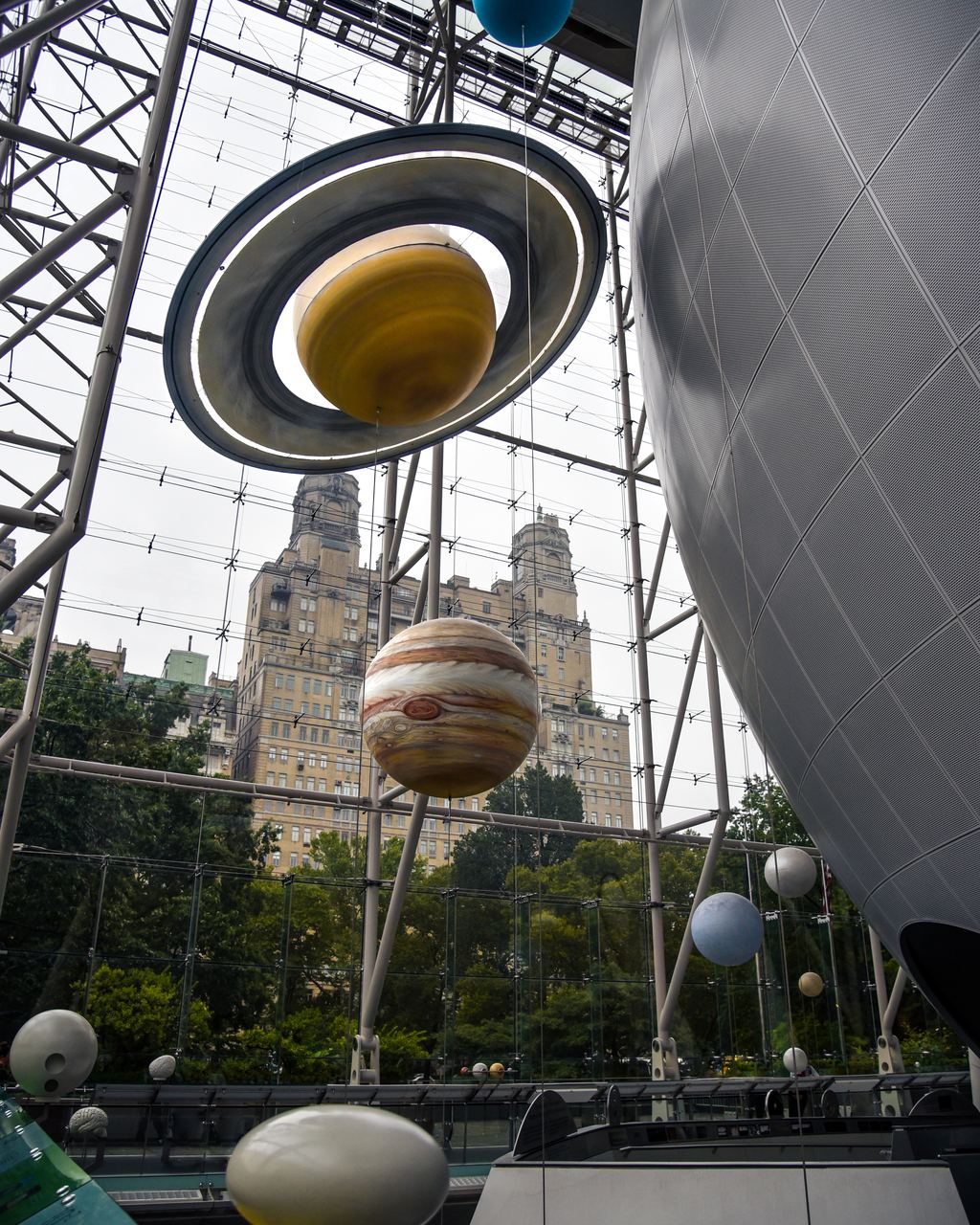
How do you use a Friday or Saturday evening at the Met?
On Fridays and Saturdays the Met Fifth Avenue stays open until 9 pm. The museum publishes no figures on how busy those evenings are, so don't expect empty rooms; what you get for certain is more time. It is also the one way to fit the Met into a day already spent outdoors. Most museum cafés closed at 8 pm on those evenings in September 2026 (the museum's dining page has current times), so eat before or after.
| Time | What | Where | Why |
|---|---|---|---|
| 10 am-1 pm | Outdoors first: Central Park or the Fifth Avenue walk | South end of the park or Grand Army Plaza | Use the daylight for what needs it |
| 1-3 pm | Lunch and a rest | Anywhere off the avenues | Evening museum visits are better rested |
| 3-4 pm | Optional: the Frick or a gallery | Fifth Avenue in the 70s | Short, and on the way to the Met |
| 4-8 pm | The Met, one route, no rush | Fifth Avenue at 82nd St | Four or five hours inside, as long as a full weekday visit |
| 8-9 pm | Last hour inside, then the steps | The Great Hall, then the Fifth Avenue steps | Cafés are closing; galleries stay open until 9 |
In summer you leave the building shortly after sunset. In December the city has been dark for four and a half hours when you come out, which has its own appeal: the Fifth Avenue facade is lit, and the walk to the subway at 86th Street is ten minutes along well-used streets. For the evening routes inside, see our route page; for hours through the year, the opening hours page.
Should you book a guided tour of the Met on one of these days?
A guide makes most sense on day one, when you do not yet know the building. In our catalog two in three guided visits of the Met last two hours, and most meet in the Great Hall, which fits the 10 am to 1 pm block of the one-day plan. Two things to know first. The Met sells its own admission and turns away vouchers and passes issued by other sellers, so check exactly what a tour's price covers; our admission page explains the rules. And guides are not allowed to lecture inside special exhibitions, so a tour covers the permanent collection.
Guided tours inside the Met
Small-group and private visits of the Met Fifth Avenue, most of them about two hours.
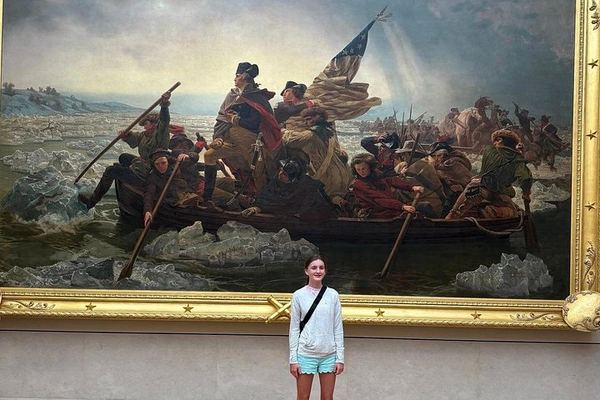
Family-Friendly Private Tour of the Metropolitan Museum of Art
Henry VIII's armor, a Chicago Stock Exchange staircase and Van Gogh, told as stories for kids and teens on a private 2.5-hour Met tour. Entry fees included.
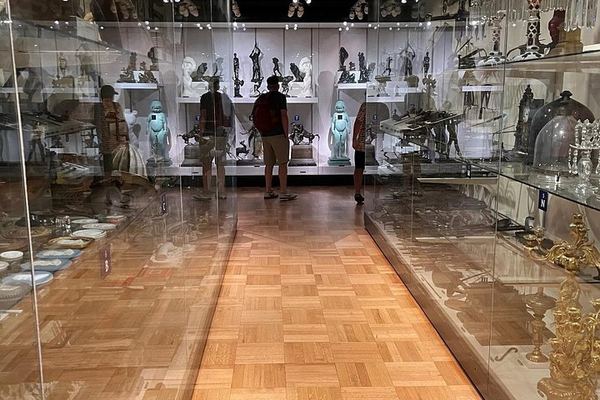
Ghost Stories at the Met: A Macabre, Interactive Museum Tour
Flying Dutchmen, funerary masks and eerie still lifes: a two-hour themed Met tour with handouts and activities, museum ticket included. Best for ages 10 and up.
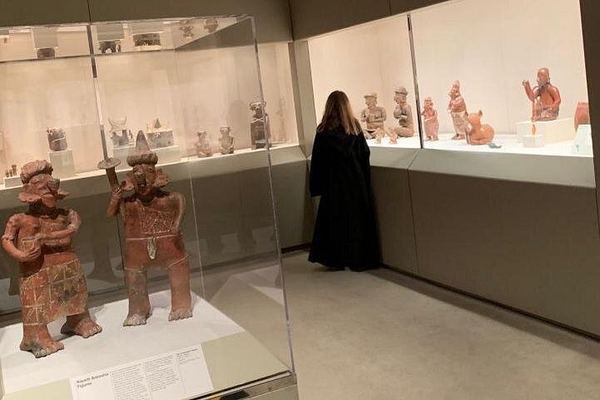
Griffins, Goblets and Gold: Interactive Magical Arts Tour at the Met
A wizard's-eye view of the Met: griffins, goblets, part of a real castle and hands-on activities, supplies provided. Two hours, up to 6 per booking, ages 8+.
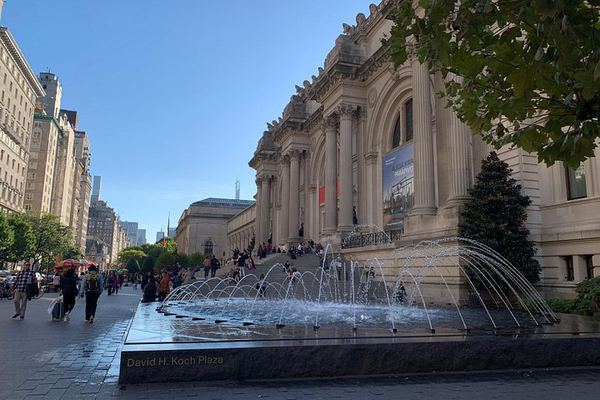
Met Museum Highlights and New York Stories Guided Tour
Egyptian tombs, Roman frescoes, Henry VIII's armor and the Impressionists, tied to New York's own story. 2.5 hours, fees included; the Met shuts Wednesdays.
Ratings collected by Viator and Tripadvisor
Planning days around the Met: quick answers
Can I see the Met and MoMA on the same day?
You can, but you will not enjoy the second one. They are about 1.5 miles apart and each fills a day. Give each its own day, or pair the Met with a park walk instead.
Can I do the Met and the Natural History Museum in one day?
Same answer: they face each other across the park, 20 minutes apart on foot, and both are among the largest museums in the country. One per day.
What should I do on a Wednesday if I wanted the Met?
Swap days if you can. If not, use Wednesday for MoMA or the Natural History Museum (both open daily as of September 2026), or for the Frick or the Guggenheim on Fifth Avenue, and spend the rest of the day in Central Park.
Is one day enough for the Met?
For most visitors, yes: three or four hours inside is as much as most people can take in. Enthusiasts can split it over two days, or use the Cloisters day for a second visit on the same ticket.
How long does it take to walk from the Met to Central Park's main sights?
Ten minutes to Belvedere Castle, 15 to Bethesda Terrace, 25 to Grand Army Plaza at 59th Street.
Can I combine the Cloisters and the Met Fifth Avenue on one ticket?
Yes, on the same date. Do the Cloisters first: they close earlier and never open late.
Is the Met good for a rainy day in New York?
Yes, and many other visitors will think so too. Arrive at 10 am, come by subway or bus, and have lunch at one of the museum's cafés.
Data verified on. Hours and rules: the Met's CMS (Aug 2026). Other museums: their own sites, Sept 2026. Climate: NOAA 1991-2020. Park facts: NYC Parks, Central Park Conservancy. Distances: ours. Editorial Policy