Where Is Washington Crossing the Delaware in the Met Museum, New York?
Gallery 760, a canvas 12 by 21 feet, a first version destroyed in the war, and 18 years on loan in Pennsylvania. The 250th anniversary falls on December 25, a day the Met is closed.
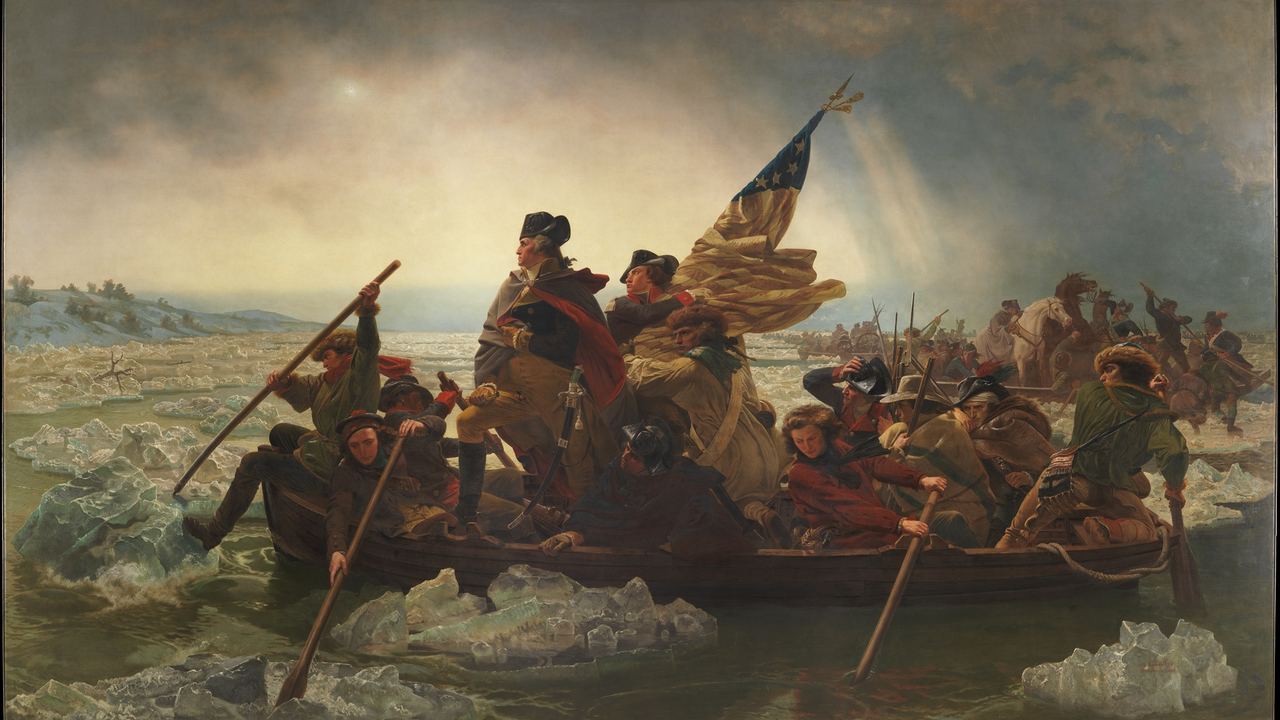
Washington Crossing the Delaware hangs in gallery 760 of the American Wing at The Met Fifth Avenue. The canvas is about 12 feet tall and 21 feet wide, and on November 19, 2026 the museum's own records still put it in that room and listed the gallery as open.
The date that brings people to this painting is close. The crossing it shows happened on Christmas night 1776, so December 25, 2026 is the 250th anniversary, and the museum is closed that day. This page covers the practical part first, the room, the size and the rules, and then the history of the canvas, which is stranger than the picture. It exists in two versions. The first was damaged by fire before it was finished. The one in New York was rolled up in a basement and then spent 18 years on loan in Pennsylvania. If you are planning a longer visit around it, our guide to what to see in two hours, half a day or a full day covers the rest of the building.
Where is Washington Crossing the Delaware in the Met?
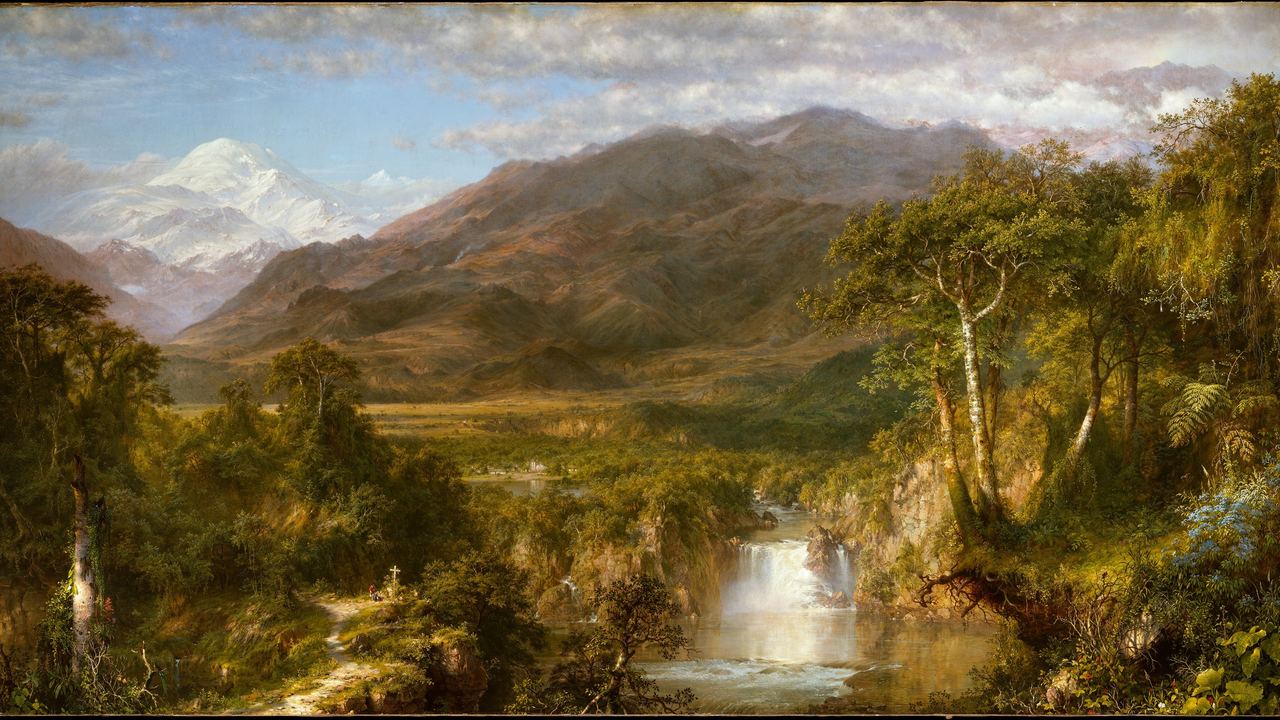
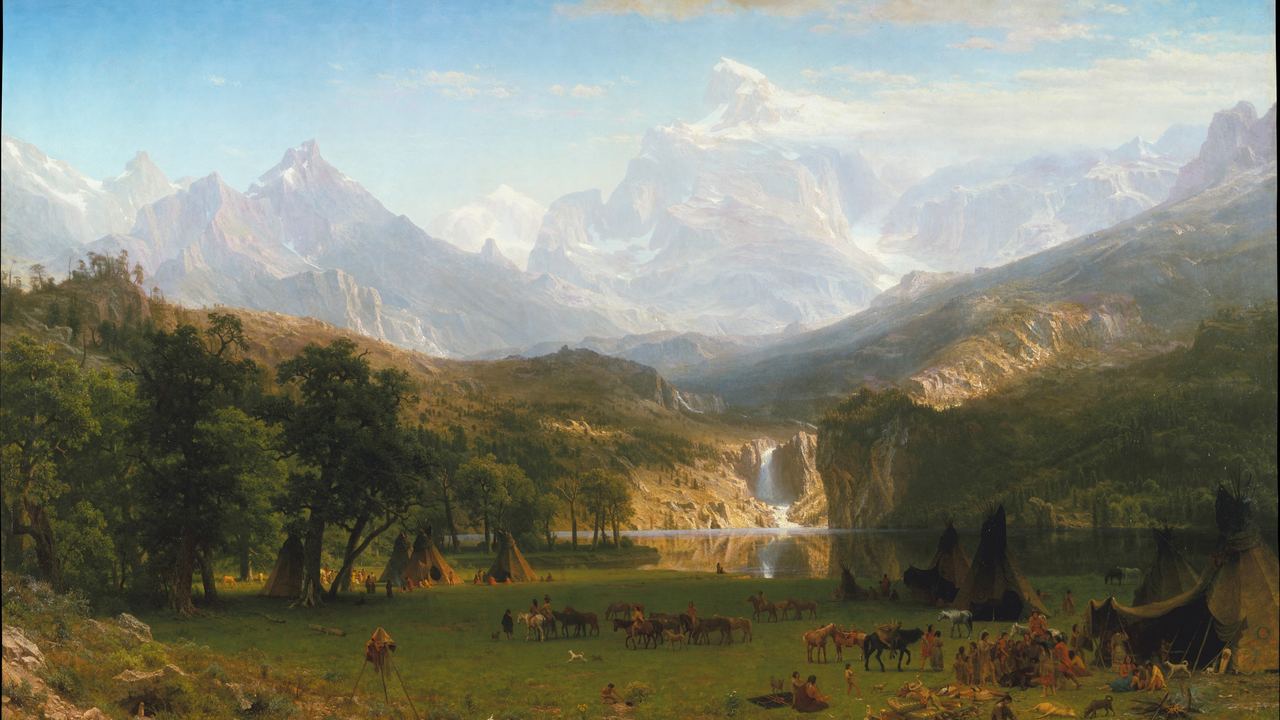
The museum's collection record gives the painting's object number as 11417, its department as The American Wing and its gallery as 760. The museum's 2012 release on the renovated American Wing describes 26 galleries on the second floor, 21 of them for paintings, and calls Leutze's canvas the centerpiece of the installation. It hangs in a double-sized room, the Peter Jay Sharp Foundation Gallery, together with two other very large pictures: Frederic Edwin Church's Heart of the Andes and Albert Bierstadt's The Rocky Mountains, Lander's Peak. The collection records for both also give gallery 760 on November 19, 2026. Our departments page places the American Wing in the wider museum.

Two practical points. The museum says in writing that it does not guarantee access to any gallery at any moment, so the record we read on November 19 is a snapshot, and the closures page on the day is the answer. And the painting is covered by regular admission: $30 for adults, $22 for seniors and visitors with disabilities, $17 for students, free for children 12 and under. The museum is closed on Wednesdays, and the hours page has the weekly schedule.
The museum's English audio guide has a stop for the painting, number 4028. In the other languages the museum records, the same painting is stop 4340. We come back to what the English stop says below, because it is not what most people expect from a painting of Washington.
How big is Washington Crossing the Delaware?
The museum records the canvas at 149 by 255 inches, or 378.5 by 647.7 centimeters. That is about 12.4 by 21.3 feet. Washington Crossing Historic Park gives the second version as 12 by 21 feet, so the two sources agree. A picture that size is closer to a piece of wall than to a painting, and the museum shows it in a double-sized gallery.
| Field | What the record says |
|---|---|
| Title and date | Washington Crossing the Delaware, 1851 |
| Artist | Emanuel Leutze |
| Size | 149 x 255 in. (378.5 x 647.7 cm) |
| Accession number | 97.34 |
| Credit line | Gift of John Stewart Kennedy, 1897 |
| Department | The American Wing |
| Gallery | 760 |
| Image rights | Public domain, in the museum's Open Access program |
Is the Met's Washington Crossing the Delaware the original?
It is not the first one. According to Washington Crossing Historic Park, Leutze began the subject in Düsseldorf in 1849, and a fire in his studio in late 1850 damaged that canvas when it was nearly finished. An American Heritage article mentions the same fire in a footnote and says the first canvas was restored and eventually destroyed in an Allied air raid in the Second World War. The park gives the place and the day: the first version hung in the Kunsthalle in Bremen, and a British Royal Air Force raid destroyed it on September 5, 1942. We found that exact date only in the park's account, so we attribute it to the park.
Leutze then painted a second, full-size version, 12 by 21 feet. The park says it went to the United States in 1851 and was seen by more than 50,000 people in New York. That is the canvas in gallery 760, and the museum dates it 1851 too. So the answer is yes and no. It is the only version that survives, and it is Leutze's second attempt at the subject.
How did the painting end up in the Met, and why was it ever rolled up?
John Stewart Kennedy paid $16,000 for the painting in 1897 and gave it to the museum, according to the park. The museum's credit line, "Gift of John Stewart Kennedy, 1897," and the accession number 97.34 agree on the year. After that the picture's career at the Met was uneven. American Heritage says the museum's directors of that era were not much impressed with it as art. In 1931, the magazine says, the public learned that the canvas had been rolled up and put away in the museum's basement. There was an outcry, and by February 22, 1932 it was back on view.
The loans came later. The park's account says the Met lent the painting to the Museum of Fine Arts in Dallas in 1950, and that from 1952 to 1970 it was displayed at Washington Crossing State Park in Pennsylvania, first in the local Methodist Episcopal church and, after the summer of 1959, in the park's Memorial Building. The park also says the Met formally recalled the loan in 1969 and returned the painting in time for the Bicentennial. Those two dates, 1969 and 1970, come from the park alone. The museum has published a study of the painting's restoration, which we could not open, and it may settle the month; until someone reads it, we give the years as the park gives them.
The painting in dates
Each date comes from the museum's records, its 2012 release, Washington Crossing Historic Park or American Heritage, as named in the text.
The origins
-
1849 to 1850
A first version, and a fire
Leutze begins in Düsseldorf in 1849. A studio fire in late 1850 damages the nearly finished canvas.
-
1851
The second version crosses the Atlantic
A full-size second canvas, 12 by 21 feet, goes to the United States and is seen by more than 50,000 people in New York.
-
1864
The Metropolitan Sanitary Fair
The painting hangs with Church's Heart of the Andes and Bierstadt's The Rocky Mountains, as the museum describes the fair.
-
1897
A gift to the museum
John Stewart Kennedy gives the painting. Accession number 97.34.
The growth
-
1931 to 1932
Rolled up, then rehung
The public learns the canvas is in the basement. By February 22, 1932 it is back on view.
-
1942
The first version is destroyed
A British air raid destroys it at the Kunsthalle in Bremen on September 5, according to the park.
-
1950
A loan to Dallas
The Met lends the painting to the Museum of Fine Arts in Dallas.
-
1952
A church in Pennsylvania
The painting goes on view at Washington Crossing, first in a Methodist church, then in the Memorial Building after the summer of 1959.
-
1969 to 1970
Recalled to New York
The park says the Met recalled the loan in 1969, and the Pennsylvania display ended in 1970.
Today
-
2012
New galleries, new frame
The renovated American Wing reopens with the painting in a recreated frame.
-
2026
250 years since the crossing
Christmas night 1776 is 250 years back on December 25, 2026.
Gallery 760
Why does the painting hang with two landscapes?
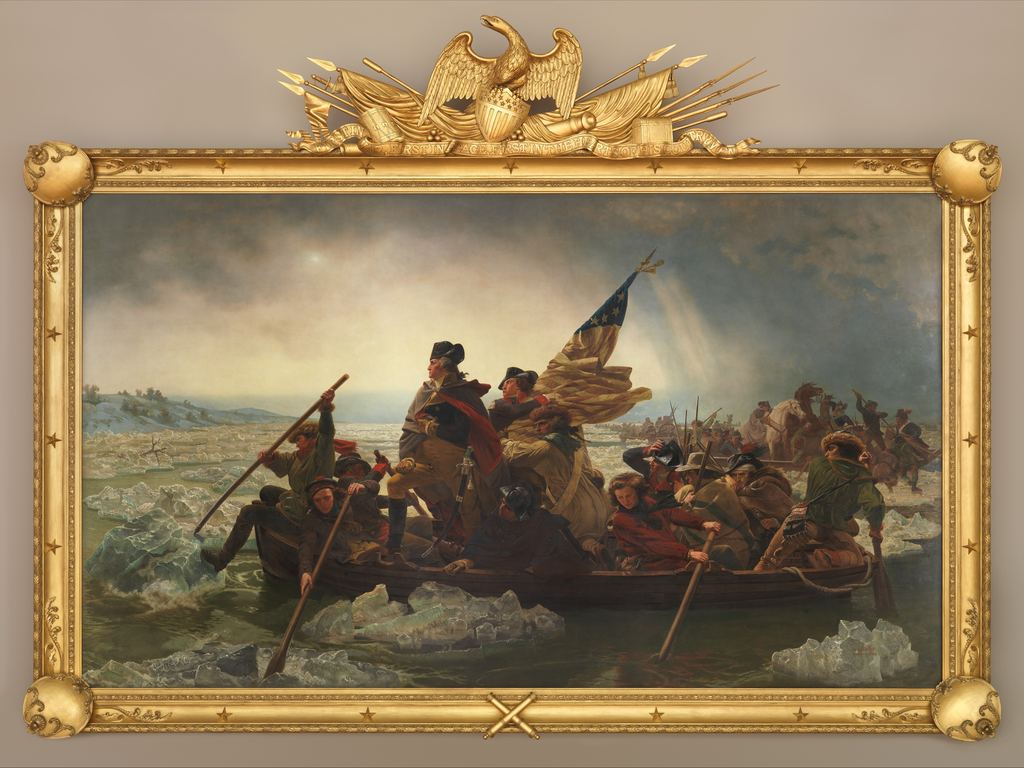
The museum's 2012 release says the double-sized room shows Leutze's canvas with Church's Heart of the Andes and Bierstadt's The Rocky Mountains just as they were displayed at the famous 1864 Metropolitan Sanitary Fair. It also says the three pictures were restored as part of the renovation.
The frame in the photograph is not the one the painting wore for most of its life. The release says a large gilded frame was recreated by Eli Wilner & Company from a recently discovered photograph of the painting from 1864. The eagle, flags and cannon at the top belong to that reconstruction.
What does the painting get wrong?
Washington Crossing Historic Park lists four errors. The sky is too light for a crossing that happened at night. The flag shows a design Congress did not adopt until June 14, 1777. The boat is about a third the size of the Durham boats used in the crossing. And Washington looks older than the 44 he was. Our page on myths and curiosities already covers the historical mistakes, so we leave them there.
What the museum's own audio stop adds is different, and we think it is the most useful thing to know before you stand in front of the canvas. The stop, number 4028, is narrated partly by Scott Manning Stevens, an associate professor of Native American and Indigenous Studies at Syracuse University and a citizen of the Akwesasne Mohawk Nation. He picks out the figures in the boat, including a Native American at the back, and says the clothing looks researched. The museum's narrator then says the painting presents an ennobled version of violent events in the Revolutionary War, including against Native peoples, and points to General Sullivan's campaign against Haudenosaunee communities three years after the crossing, which Washington ordered. Stevens says the word for Washington in his people's languages is Hanadahguyus, which means "destroyer of villages."
The problem with this painting is it gets very close to becoming propaganda.
The reality is always messier, more unsettling, more complicated.
That is a museum questioning its own centerpiece in a free audio guide. Stevens also says that no one knows who the men in the boat are. If you have read that the boat holds named officers, the museum's audio guide is more cautious than that.
Can you see Washington Crossing the Delaware on the 250th anniversary?
You can see the painting in New York on most days, but not on December 25, 2026. According to the museum's schedule records, read on November 19, 2026, both Thursday, November 26 and Friday, December 25 are closed days at The Met Fifth Avenue, and every Wednesday is a closed day too, which includes December 23 and 30. The reenactments are in Pennsylvania, at Washington Crossing Historic Park, 1112 River Road, and the park publishes two dates for 2026.
| Date | Where | What | Cost and rules |
|---|---|---|---|
| Sunday, December 13 | Washington Crossing Historic Park, PA | First Crossing Reenactment, 10 a.m. to 3 p.m., river crossing at about 1 p.m. | $10 adults, $6 ages 5 to 11, free under 5, family rate $30. Registration required; attendance is capped |
| Friday, December 25 | Washington Crossing Historic Park, PA | 74th annual Christmas Day Crossing, 12 to 3 p.m., crossing at about 1 p.m. | Free. Registration required in 2026; attendance is capped |
| Friday, December 25 | The Met Fifth Avenue, New York | Museum closed | The painting is not on view that day |
| Wednesday, December 23 and 30 | The Met Fifth Avenue, New York | Museum closed (weekly closing) | Regular schedule resumes Thursday |
The park's pages say the river crossing depends on weather and river conditions. If it cannot happen, the park will post an update by 8 a.m. on the day, and the rest of the program goes ahead. We have not checked how long the trip from Manhattan takes, so work that out before you plan a day around it. A sensible order is the painting first, at the museum on a day it is open, then the river. If you can only do one, the museum is open on Sunday, December 13, and the First Crossing is on that same Sunday, so that is a choice between them, not a pairing.
Does a Met tour show Washington Crossing the Delaware?
One of the guided tours in our catalog names it. The listing for The Met Highlights Guided Tour for Small Groups of up to 18 lists Greek and Roman statuary, the Temple of Dendur, Sargent's Madame X and Washington Crossing the Delaware among what you see, with an art historian as guide. The same listing warns that the museum does not guarantee every gallery is open on a given day and that galleries and artworks on the route are subject to closure without notice. That applies here as it does to Dendur. A tour will not reopen a room, and a guide can only reshape the route around it. Admission is included in the listings below, so the tour price is not an addition to the $30 ticket.
Guided tours of the Met
Four English-language listings from our guided-tour category on November 19, 2026, ordered by number of reviews. We read the first listing's inclusions in full and it names this painting; for the others, check what is on the route before you book. Prices show in euros, because the affiliate catalog is priced in euros.
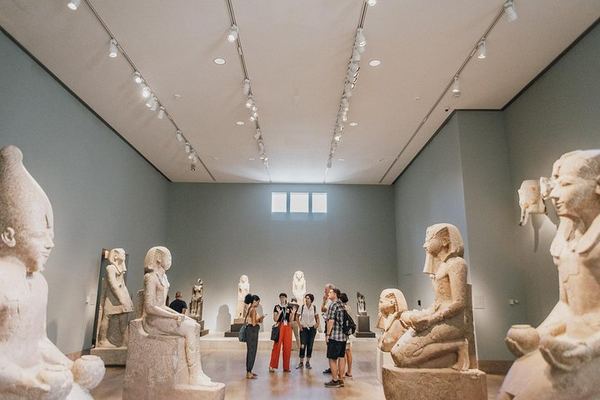
The Met Highlights Guided Tour for Small Groups of up to 18
An art historian leads up to 18 people through the Met: Dendur, Henry VIII's armor, Madame X, the Greek and Roman galleries. Admission included, 2 or 3 hours.
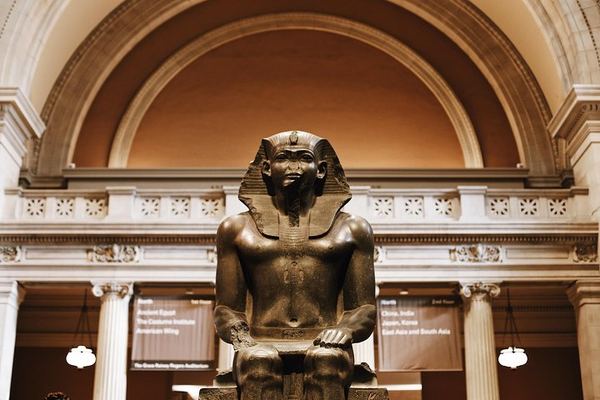
Private Guided Tour of the Met for Groups of up to 8
Just your party and a guide for 2.5 hours at the Met: Henry VIII's armor, Vermeer, Van Gogh, the American Wing. Entrance fees included, evenings Fri and Sat.
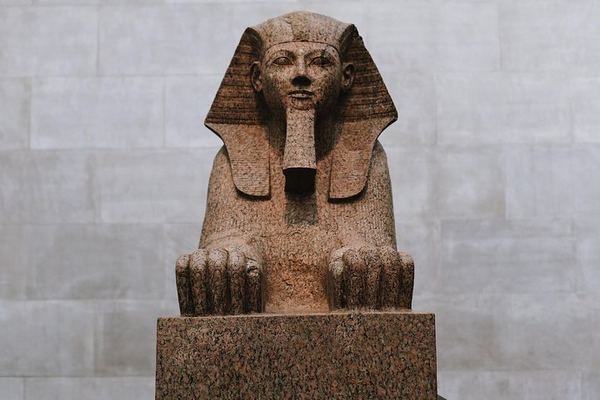
Semi-Private Met Museum Tour with a Maximum of 8 Guests
Never more than 8 guests: 2.5 hours at the Met with Henry VIII's armor, the Chicago Stock Exchange stairs and Vermeer. Runs with a minimum of 2 travelers.
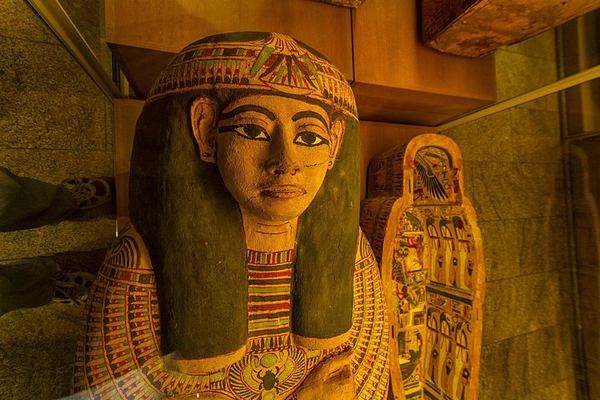
Met Museum Highlights Tour by City Wonders, Entry Ticket Included
City Wonders guides up to 20 people through the Met in two hours, entry ticket included: the Egyptian and American wings, Velazquez, Rembrandt and Van Gogh.
Ratings collected by Viator and Tripadvisor
Where these facts come from
The size, accession number, credit line and gallery number of the painting, and the gallery numbers of the Church and Bierstadt pictures, come from the museum's public collection record, read on November 19, 2026. The gallery status and the closing days come from the museum's content system the same day. The description of the American Wing galleries, the Sanitary Fair arrangement and the frame come from the museum's 2012 release on the renovated galleries, and the audio stop from its transcript in the same system.
The history of the two versions and the loans comes from the park's account of Leutze and from the American Heritage article. The reenactment dates, times and prices come from the park's pages for the First Crossing and the Christmas crossing, read on the same day.
We could not open the museum's own web pages, which refuse automated requests, so we link none of them. We also could not open the museum's study of the painting's restoration, and where the sources we did read disagree or say nothing, this article says so. This site is independent and not affiliated with the Metropolitan Museum of Art. We earn a commission on the tours above, and on nothing the museum sells.
Questions about Washington Crossing the Delaware at the Met
Where is Washington Crossing the Delaware in the Met?
In gallery 760 of the American Wing at The Met Fifth Avenue. The museum's gallery record showed the room open on November 19, 2026, but the museum does not guarantee any gallery at any moment, so check its closures page on the day.
Is the Met's Washington Crossing the Delaware the original?
It is the surviving one. Leutze's first version was damaged by a studio fire in late 1850 and, according to Washington Crossing Historic Park, was destroyed in a British air raid on Bremen on September 5, 1942. The Met's canvas is the second, full-size version, dated 1851.
How big is Washington Crossing the Delaware?
The museum records 149 by 255 inches (378.5 by 647.7 cm), about 12.4 by 21.3 feet.
Who is in the boat?
The museum's English audio guide says nobody knows. The guest speaker, Scott Manning Stevens, picks out soldiers, farmers, an African American man and a Native American man, and says we have no idea who they are.
Is it free to see the painting?
It is covered by regular admission: $30 for adults, $22 for seniors and visitors with disabilities, $17 for students, and free for children 12 and under. New York State residents and students from New York, New Jersey and Connecticut pay what they wish.
Can I see the painting on December 25, 2026?
No. The Met is closed on Christmas Day. The park in Pennsylvania holds its free Christmas Day Crossing from 12 to 3 p.m. with registration required, and a ticketed First Crossing on Sunday, December 13.
Data verified on . Museum collection record, content system and 2012 release; park and American Heritage accounts; read November 19, 2026. 1969-70 loan dates come from the park only. Editorial Policy